
As a homeowner, I know how stressful it can be to discover roof leaks. The damage can range from a minor inconvenience to a major issue requiring extensive repairs. Like you, I wondered: Does my home insurance cover this? The answer is—it depends. In this article, I’ll walk you through everything I’ve learned about home insurance and roof leaks, including what’s typically covered, what’s not, and how you can take steps to ensure your roof stays in great shape.

Understanding Roof Leaks Coverage in Home Insurance
Let me start by saying that homeowners insurance is designed to protect you from unexpected events—not routine maintenance. For instance, if a tree branch falls during a storm and punctures your roof, causing a leak, your insurance policy will likely cover the repair costs. However, if your roof is old and poorly maintained, and water starts seeping in, that’s usually on you.
Here are a few examples of scenarios where home insurance typically covers roof leaks:
- Storm Damage: Last year, my neighbor had shingles torn off during a windstorm. The storm caused water to leak into his attic. Thankfully, his insurance company covered the damage because the storm was an unforeseen event.
- Hail Damage: If hailstones damage your roof and lead to leaks, insurance companies usually classify this as sudden damage and cover it.
- Falling Objects: A friend of mine had a tree branch crash through his roof after a heavy snowfall. His insurance covered both the tree removal and the roof repair.
The Importance of “Covered Perils”
Your policy spells out what’s included under “covered perils.” These are specific risks like fire, windstorms, or vandalism. If the cause of your roof leak falls under these categories, your insurer is more likely to approve your claim.

What’s Not Covered?
It’s just as important to know what isn’t covered. When I had my first home inspection years ago, I was told my roof might need replacing in the next five years. If I had ignored that advice and a leak had occurred due to wear and tear, my insurance wouldn’t have helped.
Here are some common exclusions:
- Neglect or Poor Maintenance: If you fail to clean your gutters or fix loose shingles, don’t expect your insurance to cover the resulting leaks.
- Age of the Roof: My insurance company told me upfront that roofs over 20 years old might only qualify for partial payouts, depending on their condition.
- Excluded Perils: Damage from floods or earthquakes usually requires separate insurance policies. If your leak stems from one of these causes, you’re out of luck unless you have additional coverage.
A Real-Life Example
A colleague recently discovered a roof leak after a week of heavy rains. Her insurer denied the claim because the adjuster determined the roof had been poorly maintained. The moral of her story? Regular maintenance is key to keeping your home insurance coverage intact.
Will home insurance cover water damage from Roof leaks?
Your personal possessions, flooring, and interior walls and ceilings may sustain harm if water seeps into your house from your roof. In general, your house insurance will cover the leak if it is brought on by a covered risk. The dwelling coverage section of your homeowners’ insurance policy should cover structural damage to the house, and the personal property coverage portion will replace or repair damaged items up to your coverage limits. Despite being a common policy exclusion, mold can be covered if it was brought on by an event covered by your house insurance policy. Your coverage will not cover damage to a naturally moist shed if mold grows there. However, your insurance provider might cover the cost of fixing a covered roof leak.
How do I find Roof leaks?
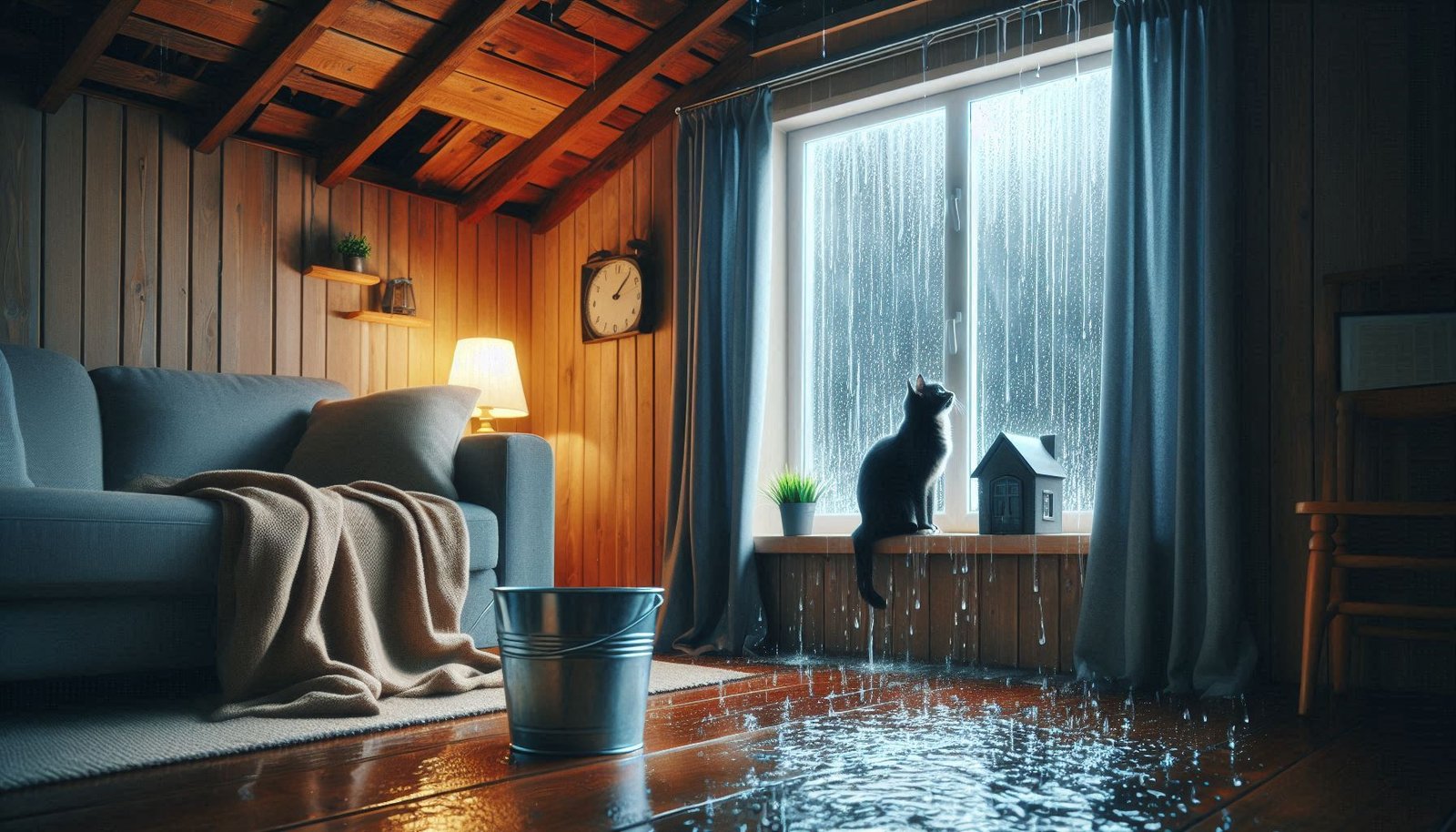
To reduce the amount of water damage and improve your chances of getting it covered by your home insurance policy, it is preferable to discover a roof or ceiling leak as soon as possible. To locate a roof leak, experts advise taking the following actions:
Identify the Roof leak’s source:
If you see mold growing along the walls or water stains on your ceiling, there might be a leak nearby. Look for possible causes, such as soft flooring or other signs of water damage, in the room above if the ceiling is leaking. Look for entry points, such as missing, broken, or cracked shingles, gaps in the chimney or vent pipe, and missing gutters, if the roof is leaking. Additionally, especially on a rainy day, you can inspect your attic for indications of mold growth or water damage. Moldy insulation and rotted wood are typical indicators of water leaks.
Make repairs right away:
To reduce damage, it’s critical to make repairs as soon as you identify the leak’s source. Some repairs might be do-it-yourself tasks, while others might call for a professional. If you have to file a claim, then document the process closely before making any changes.
Regular roof inspections:
This will help to ensure that your roof is in good functioning order. Verify whether any shingles are missing, broken, or cracked, and replace them right away. Make sure the flashing is still nailed in place and that the vent pipes and chimney are undamaged. It’s also crucial to get your roof inspected by a qualified expert once a year, particularly in states or regions that are vulnerable to tornadoes and hurricanes.
Keep an eye on your top-floor ceiling:
By routinely checking your home’s top-floor ceiling, you may be able to identify minor leaks before they become serious issues. Check the roof and attic immediately for damage if your highest ceiling is damaged.
How I Filed a Claim for Roof Damage

When I noticed a leak in my roof after a severe storm, I decided to file an insurance claim. Here’s what I did step by step:
Step 1: Document Everything
First, I took photos and videos of the water damage and the exterior of the roof. This visual evidence helped when I submitted my claim.
Step 2: Temporary Fixes
To prevent further damage, I placed a tarp over the affected area. Insurance companies appreciate when you take steps to mitigate losses.
Step 3: Contacting My Insurer
I called my insurance provider and described the situation. They asked for the photos and details about the damage. Within a few days, they sent an adjuster to assess the situation.
Step 4: The Outcome
Because the storm was a covered peril and my roof was in good condition prior to the event, my claim was approved. The insurer covered the repair costs after I paid my deductible.
How to Prevent Roof Leaks

I’ve learned that prevention is the best way to avoid the stress and expense of roof leaks. Here’s what I do regularly to keep my roof in top shape:
1. Regular Inspections
I make it a point to inspect my roof twice a year—once in the spring and again before winter. If I see missing shingles or damaged flashing, I address it immediately.
2. Clean Gutters and Downspouts
Clogged gutters can cause water to pool on your roof, leading to leaks. I clean mine every fall after the leaves have dropped.
3. Hire Professionals
While I handle minor maintenance by myself, I hire a professional roofer for detailed inspections and repairs. They often catch issues I might miss.
Example: The Ice Dam Incident
Last winter, I noticed icicles forming along the edge of my roof. A roofer explained that this was an ice dam, and water was pooling behind it. Fixing the issue early prevented a leak and saved me a costly insurance claim.
Does Your Policy Fit Your Needs?
Not all insurance policies are created equal. When I first bought my home, I opted for a standard policy with basic coverage. Over time, I realized I needed more protection, especially as my roof aged. I’ve added endorsements for replacement cost coverage and extended protection for wind and hail.
Comparing Policies
When shopping for insurance, ask about:
- Roof age limitations.
- Deductible options for wind and hail damage.
- Discounts for newer roofs or impact-resistant materials.
Final Thoughts
Roof leaks can be a headache, but understanding your home insurance policy can make all the difference. From my experience, maintaining your roof and knowing what your policy covers are the two most important steps you can take.
If you’re unsure about your coverage, call your insurer and ask for clarification. Trust me—knowing where you stand before a leak can save you great stress. Protecting your home is an ongoing process, but with the right knowledge, you’ll be prepared for whatever comes your way.