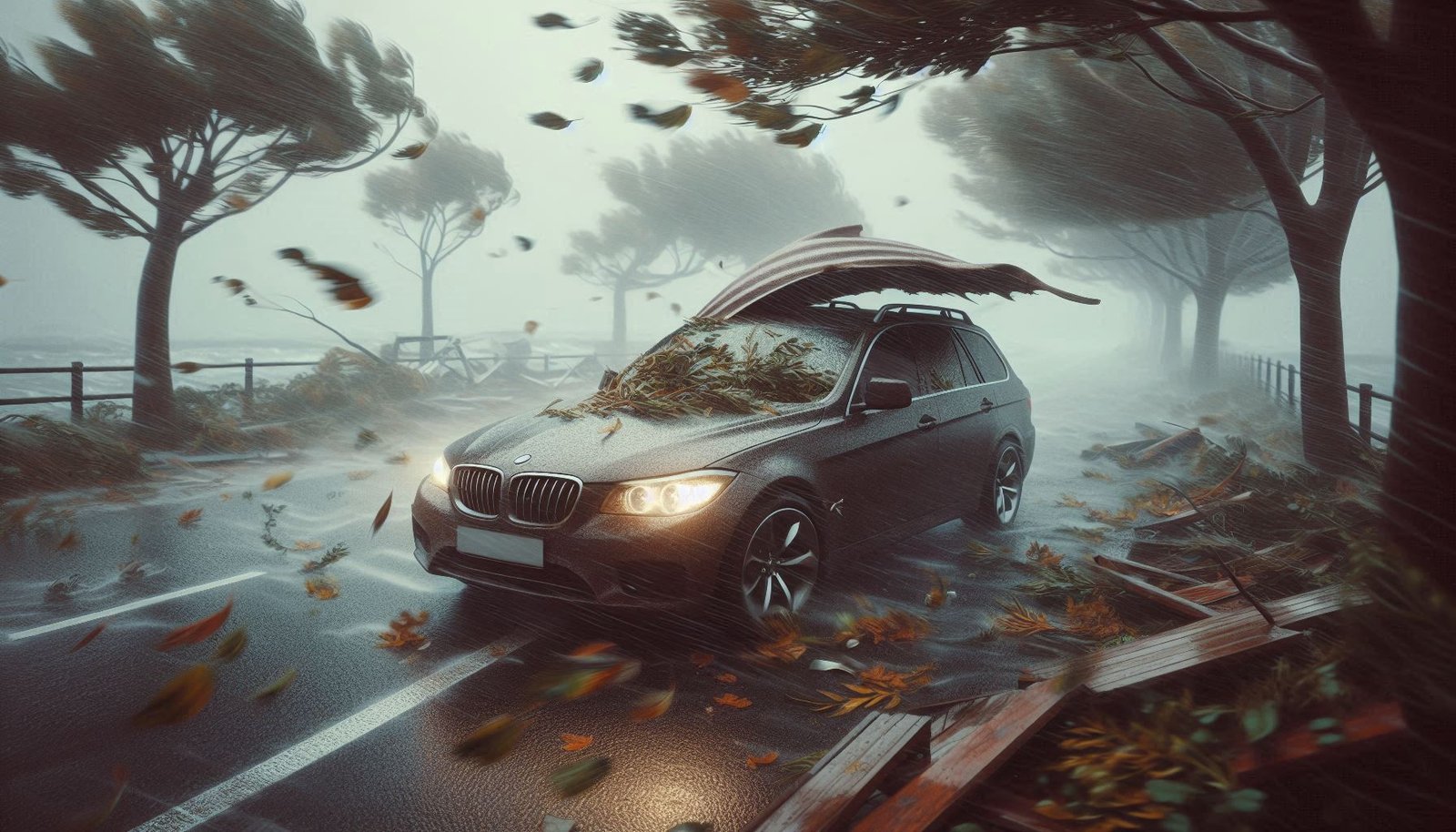
Does Car Insurance Cover Hurricane Damage?
Hurricanes are unpredictable and can cause devastating damage to homes, vehicles, and communities. If you live in a hurricane-prone area, you may wonder: Does car insurance cover hurricane damage? The answer depends on your policy type and coverage options. This article explores everything you need to know about car insurance and hurricane damage, helping you prepare for the unexpected and protect your vehicle.
Car insurance policies offer varying levels of protection. Whether hurricane damage is covered depends on the specific coverage you have.
The most relevant coverage for hurricane damage is comprehensive coverage. This optional insurance protects your vehicle against non-collision-related incidents, such as:
For example, if your car is submerged in floodwaters during a hurricane, comprehensive coverage would typically cover the cost of repairs or replacement.
If you only have liability insurance, your policy won’t cover hurricane damage. Liability insurance covers damages you cause to others but doesn’t protect your own vehicle.
Similarly, while essential for accidents involving other vehicles or objects, collision coverage doesn’t apply to hurricane-related damage.
Comprehensive coverage is optional in most states, meaning you must add it to your policy specifically. However, if you’re financing or leasing your car, your lender may require it.
Hurricanes can damage vehicles in several ways. If you have comprehensive coverage, your policy typically protects against:
Flooding is one of the most common consequences of hurricanes. Water damage can severely impact your vehicle’s engine, electrical system, and interior. Comprehensive insurance covers repairs or replacement due to flood damage.
Imagine parking your car in your driveway, only to find it submerged after a storm surge. Comprehensive insurance would pay for repairs or provide a settlement if the vehicle is totaled.
Strong hurricane winds can topple trees, power lines, and other debris onto your car, causing significant damage.
If a tree branch crashes through your windshield during a hurricane, comprehensive coverage ensures you won’t have to pay out-of-pocket for the repairs.
Hurricanes often bring hailstorms, which can dent your car’s body and shatter windows. Comprehensive insurance covers the cost of repairing or replacing damaged parts.
You cannot make a claim for hurricane damage if you only have basic coverage. Only a few basic coverage categories, such as liability, uninsured motorist, and medical costs coverage, are typically required under state minimum insurance requirements. Among such needs is comprehensive coverage. However, your financial lender can insist that you carry full coverage insurance if you have a loan or lease on your car.
If your car is damaged in a hurricane, acting quickly can simplify the claims process and minimize financial stress.
Take clear photos and videos of the damage to your vehicle from multiple angles. This documentation is crucial for filing an insurance claim.
Contact your insurance provider as soon as possible to report the damage. Most insurers have 24/7 hotlines for emergencies. Provide details about the incident and share your evidence.
If safe, take steps to protect your vehicle from additional harm. For example, cover broken windows with a tarp or move the car to a secure location.
Your insurance company will send an adjuster to assess the damage. Be prepared to answer questions and provide any necessary documentation.
While insurance can help recover financial losses, preventing damage in the first place is always better. Here are some tips for safeguarding your vehicle during a hurricane:
Whenever possible, park your car in a garage or covered area to protect it from flying debris and flooding.
If a garage isn’t available, consider parking on higher ground to minimize the risk of flood damage.
Car covers designed for extreme weather can shield your vehicle from wind, rain, and debris. Look for covers that are both water-resistant and durable.
If authorities issue evacuation orders, prioritize safety. If you have to leave your car behind, park it in a secure area and ensure your insurance policy is active and up-to-date.
If your vehicle is damaged while driving during a hurricane, comprehensive coverage still applies. However, it’s crucial to prioritize safety and avoid driving in dangerous conditions.
When hurricane damage is severe, insurers may declare your car a total loss. Here’s how that process works:
An insurance company considers a car totaled when repair costs exceed the vehicle’s value. In this case, your insurer will offer a payout equal to the car’s actual cash value (ACV).
Keep records of your car’s maintenance history and upgrades to maximize your payout, as these can increase its value.
If floodwaters reach your car’s dashboard, it’s likely a total loss. Comprehensive insurance would provide a settlement based on your car’s ACV minus your deductible.
Filing a claim for hurricane damage involves several steps. Here’s how to ensure a smooth process:
A policyholder in Florida reported hurricane damage to their insurer immediately, provided detailed photos, and received a payout within two weeks to cover repair costs.
The states most susceptible to hurricane destruction are those that are located near the Atlantic and Gulf coasts. These states are the most vulnerable, according to the Federal Emergency Management Agency (FEMA):
Living in a hurricane-prone region means selecting the right car insurance is essential. Here’s what to consider:
This is your best defense against hurricane damage. Discuss coverage limits and deductibles with your insurer to find a balance that suits your needs.
In some areas, insurers offer special hurricane deductibles. Be sure to understand how these work and how they differ from standard deductibles.
Many insurers offer discounts if you bundle car insurance with home or renters insurance. This can be especially beneficial in regions prone to natural disasters.
So, does car insurance cover hurricane damage? If you have comprehensive coverage, the answer is yes. This type of insurance protects your vehicle from floodwaters, wind-blown debris, and other hurricane-related perils.
However, it’s vital to review your policy and ensure you’re adequately covered before disaster strikes. Take preventive measures to protect your car, and know the steps to take if hurricane damage occurs. By staying informed and prepared, you can weather any storm with confidence.
Car insurance for high-risk drivers can feel overwhelming and expensive, but I've been there myself… Read More
Affordable auto insurance is not just about finding the cheapest policy—it's about securing adequate protection… Read More
Hartford auto insurance has been protecting drivers for over 200 years, and my family's relationship… Read More
Military car insurance offers specialized coverage and significant discounts designed specifically for active duty service… Read More
Business crime insurance protects companies from financial losses caused by criminal acts such as employee… Read More
When is open enrollment for health insurance 2026 is a question I start thinking about… Read More
This website uses cookies.