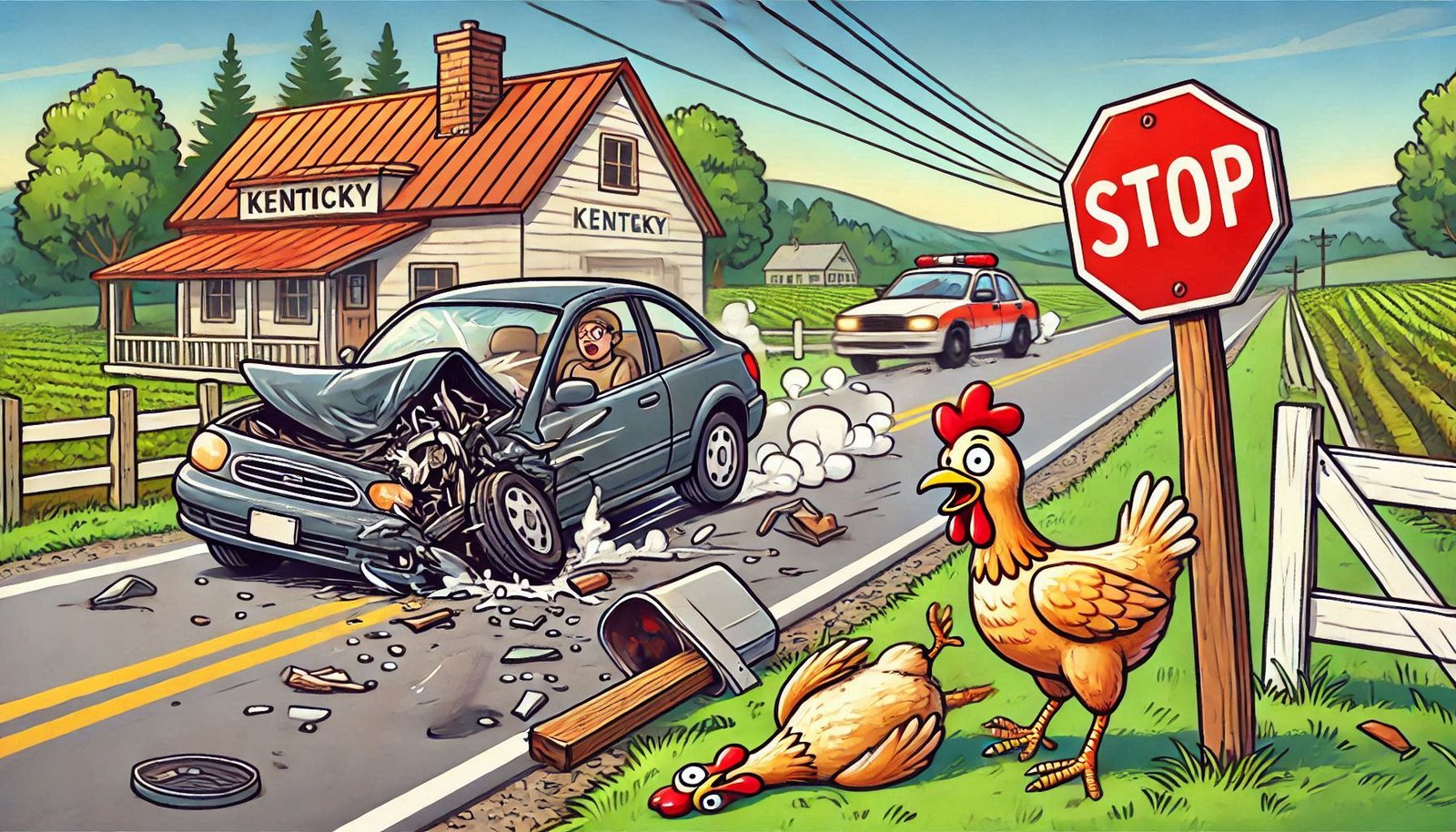
Hit-and-Run in Kentucky
Being involved in a hit-and-run accident can be a traumatic experience, especially in Kentucky, where the laws and procedures can differ slightly from other states. If you’re a victim of such an incident, knowing what to do immediately can protect your rights and help you navigate the situation effectively. This comprehensive guide covers everything you need to know about handling a hit-and-run in Kentucky, including steps to take, legal requirements, and how to recover damages.
When a hit-and-run occurs, it’s normal to feel overwhelmed. However, the actions you take in the moments following the accident are crucial. Here’s what you should do:
The first priority is your safety and the safety of any passengers:
Documenting the scene can significantly impact your ability to recover damages:
Kentucky law requires motorists to report accidents involving injury, death, or property damage exceeding $500. Failure to report a hit-and-run can complicate insurance claims and potential legal action.
According to Kentucky’s hit-and-run rules, a driver is required to stop, assess the situation, and aid the other parties involved in any motor vehicle collision that results in property damage, injury, or death. Leaving a note with your name, address, vehicle registration, and insurance information will typically be sufficient as accepting responsibility if you cause property damage without another motorist being involved, such as when you strike a parked car in a parking lot.
In Kentucky, leaving the scene of an accident is a serious offense. Drivers who fail to stop after a collision can face:
Understanding these laws underscores the importance of reporting and seeking justice.
Your insurance coverage usually won’t impose a surcharge if you are the victim of a hit-and-run in Kentucky. States and providers may have different situations, though. Even if your premium went up, it would probably be far lower than it would be if you were at fault.
Your insurance rates will probably go up if you are found to be at fault for any accidents. You may also receive a motor vehicle infraction for fleeing the scene if you are later apprehended. The premium rise you would experience would potentially be significantly larger than if you remained at the site of the accident because there would be two occurrences on record rather than just one.
In Kentucky, drivers with spotless records typically pay $2,705 for full coverage and $779 for minimal coverage per year. These costs are comparable to the $2,458 and $678 national averages, respectively. A hit-and-run conviction might further raise your premiums, and a typical at-fault collision could result in an annual premium increase of $1,000 or more.
If you are ever the victim of a hit-and-run in Kentucky, knowing what to do after one can help you be ready. Experts advise making sure everyone is alright, seeking medical attention for any injured parties, and, if at all feasible, attempting to record information that will aid the authorities in identifying the driver responsible for the hit-and-run.
Think about the actions listed below:
Check to see if anyone is hurt, and if so, contact emergency personnel right once. At first, you might feel OK, but it would be wise to get a professional medical opinion.
Make a note of any identifying information, such as the vehicle type, driver description, number plate number, bumper stickers or other distinctive marks on the car. It could be useful to put this information in writing.
Report the mishap.
A law enforcement officer may be able to assist in identifying the at-fault party in addition to preparing an official police record that could be useful for an insurance claim.
An accident scene can be a hectic place. As long as you don’t impede the official police inquiry, gathering your own evidence can be beneficial, albeit it’s not always feasible. Take pictures of the damage to your car and the surrounding area, get the contact details of any witnesses, and note whether any nearby public spaces might have a video recording of the collision.
Your auto insurance may provide some financial protection if you are in an accident by paying for some of the damage. In the end, though, this is determined by the state in which you reside, the laws that are in effect, and the coverage provided by your policy. No-fault states, more especially “choice” no-fault states, include Kentucky. This implies that each driver must be presented with a minimum level of uninsured/underinsured motorist coverage (UM/UIM) and personal injury protection (PIP), but it is up to them to decide whether or not to acquire it.
Regardless of culpability, PIP assists in covering your own medical expenses. Medical costs, lost wages, and necessary services are covered if PIP is included in your policy. You could also be able to recover losses with UM/UIM coverage.
If you have specific coverage types, such as collision coverage, your auto insurance policy may also assist in covering your property damage if you are the victim of a hit-and-run accident in Kentucky. However, you will probably have to pay your deductible.
The easiest method to make sure you’re ready might be to discuss with your agent or a company representative how your insurance would react in the event of a hit-and-run.
Kentucky is a no-fault insurance state, meaning your own insurance typically covers medical expenses regardless of who caused the accident. However, property damage caused by a hit-and-run may require additional coverage:
A Kentucky driver involved in a hit-and-run shared how their UM coverage helped cover $8,000 in medical bills and vehicle repairs after the at-fault driver fled the scene. This underscores the importance of reviewing your policy and ensuring adequate coverage.
If you’ve suffered significant damages or injuries in a hit-and-run, consulting a personal injury attorney can help you navigate complex legal and insurance processes. An experienced lawyer can:
In Kentucky, you have two years from the date of the accident (or the last no-fault payment) to file a personal injury lawsuit. Missing this deadline can bar you from seeking compensation, so act promptly.
A Kentucky resident pursued legal action after a hit-and-run caused life-altering injuries. With an attorney’s help, they secured $150,000 in compensation, demonstrating the value of professional legal assistance.
While you can’t control other drivers, adopting defensive driving habits can reduce your risk of being involved in a hit-and-run:
Hit-and-runs aren’t limited to moving vehicles. To avoid parking lot incidents:
Encourage your community to prioritize responsible driving and accountability. Reporting hit-and-runs and supporting law enforcement investigations can help reduce these incidents statewide.
Beyond financial and legal considerations, hit-and-runs can take an emotional toll. Here’s how to cope:
A hit-and-run in Kentucky is an overwhelming experience, but knowing what to do can make all the difference. From ensuring your safety and gathering evidence to filing claims and seeking legal recourse, taking prompt and informed actions can help you recover.
If you ever find yourself in this situation, remember that help is available. Whether it’s law enforcement, your insurer, or an experienced attorney, resources exist to guide you through the process and ensure you receive the support and compensation you deserve. Stay safe and prepared, and always drive responsibly.
Car insurance for high-risk drivers can feel overwhelming and expensive, but I've been there myself… Read More
Affordable auto insurance is not just about finding the cheapest policy—it's about securing adequate protection… Read More
Hartford auto insurance has been protecting drivers for over 200 years, and my family's relationship… Read More
Military car insurance offers specialized coverage and significant discounts designed specifically for active duty service… Read More
Business crime insurance protects companies from financial losses caused by criminal acts such as employee… Read More
When is open enrollment for health insurance 2026 is a question I start thinking about… Read More
This website uses cookies.